Download App



 Mar 11, 2026
 Posted by: Kidzapp Team
Parenting in today’s world is a lot. The news is loud. Routines get disrupted. And somewhere between school runs, screen time debates, and trying to keep it all together, we all wonder: Am I doing enough to prepare my child for this world?
Here’s what the research actually says: you probably already are. Resilience, the ability to bounce back from challenges, adapt to change, and keep going, isn’t something kids either have or don’t. It’s built. Slowly. Through everyday moments. And the good news? You’re already part of that process.
First, Let’s Reframe ‘Failure’
Thomas Edison once said: “I haven’t failed. I’ve just found 10,000 ways that won’t work.”
We often look at our children and measure them by what they can’t do yet. My child doesn’t speak yet. My child can’t count. My child hasn’t made friends. But childhood isn’t a checklist, it’s a laboratory. Every stumble, every meltdown, every ‘I can’t do it’ is actually your child’s brain doing exactly what it’s supposed to do, learning through experience. Failure isn’t the opposite of success for children. It’s the path to it.
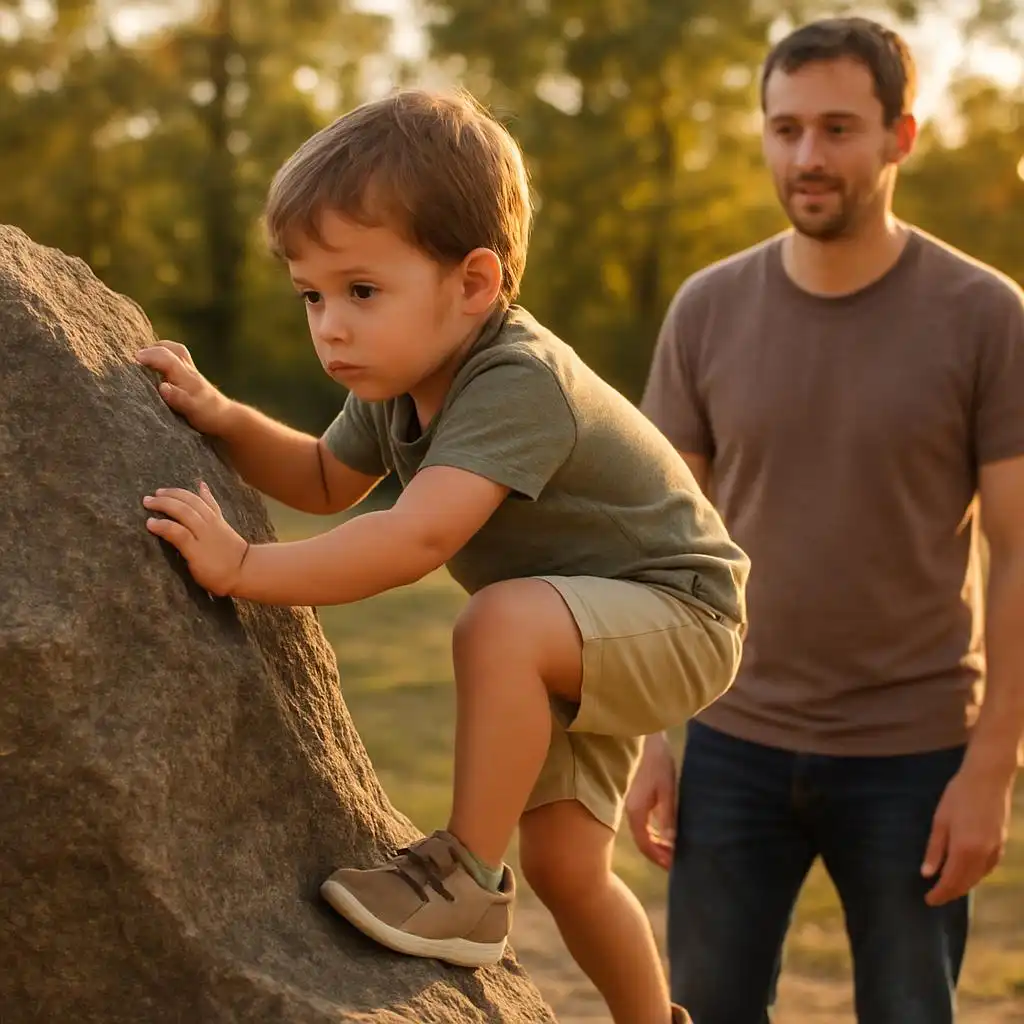
4 Things You Can Do Right Now
1. Be present. Really present.
Not just in the room, actually there. Put the phone down, make eye contact, tune in. Research consistently shows that when children feel loved, trusted, and emotionally secure from an early age, they are far better equipped to handle life’s inevitable hardships. Your presence is the foundation everything else is built on.
2. Let them struggle a little
We get it, watching your child struggle is hard. But every small challenge they push through on their own is quietly building something powerful. The belief that they can handle what comes next. That belief is everything.
3. Don't brush off big feelings
When your child tells you they’re scared of the dark, worried about a friend, or upset about something that seems small to you, stop. Listen. Don’t brush it off or jump to solutions.Their fears and worries are their narrative, their own personal story about how the world feels to them. Validating that story “That makes sense. I’m here.” before trying to fix it is one of the most powerful things you can do. It tells your child: your feelings are real and you are safe.
4. Set a new baseline
When school breaks arrive and the usual structure falls away, camps are genuinely one of the best things you can do for your child's resilience. Here's why, they bring together routine, play, and connection, the three ingredients research points to again and again as essential for emotionally healthy kids. A camp experience gives your child a new environment to adapt to, new peers to connect with, and new challenges to work through, all in a safe, supervised setting. It's not just about keeping them busy during the break. It's about giving them the tools to grow.
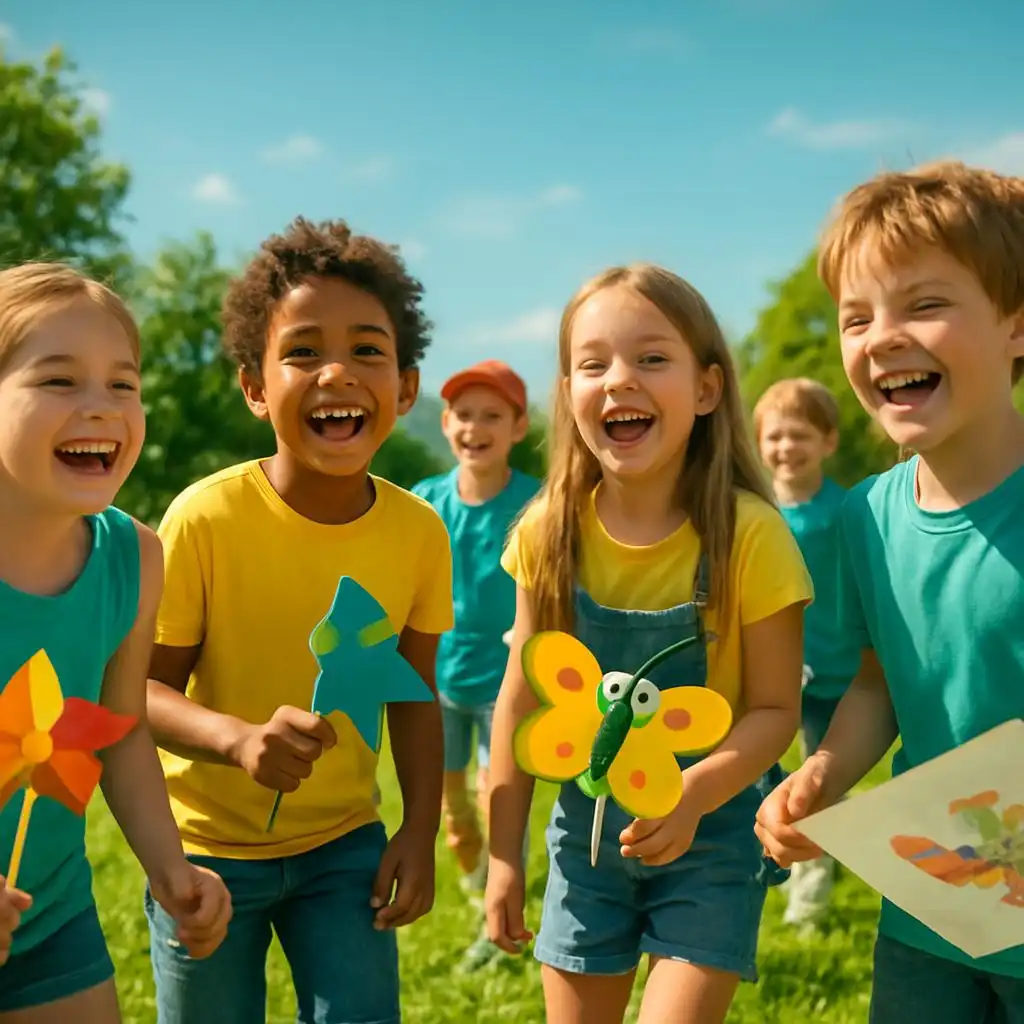
The Role of Routine, Play, and Connection
Three things that research highlights time and again as critical to building resilience in children. Routine, Structure equals safety for children. Even when the world feels uncertain, a predictable rhythm at home gives kids an anchor. Play, Play is how children process emotions, practice social skills, and make sense of the world around them. It’s not a luxury. It’s essential. And last but not least Connection, Whether it’s with you, their friends, or a wider community, children who feel connected are more resilient. New experiences and group activities are a brilliant way to build this. This is exactly why getting kids into camps, classes, and curated activities during school holidays matters more than parents often realise. It’s not just about keeping them busy, it’s about giving them the structure, socialization, and new challenges that build their resilience muscles.
Trust Your Instincts - You've Got This
You don't have the answers to everything. You're not supposed to. The goal was never a perfect childhood, it's a connected one. One where your child knows they are loved, that their feelings matter, and that when things get hard, you're right there behind them. Research says kids who feel loved and trusted early on are better equipped to handle hardship. That's you. You're already doing it.

 Jul 01, 2026
 Posted by: Kidzapp Team