Download App



 Mar 28, 2026
 Posted by: Kidzapp Team
What to Do with Your Kids at Home
When you’re staying in, home doesn’t have to feel limiting. With the right approach, it can become a space for creativity, independence, and real connection. The key is to keep things simple and age-appropriate, without overplanning every moment.
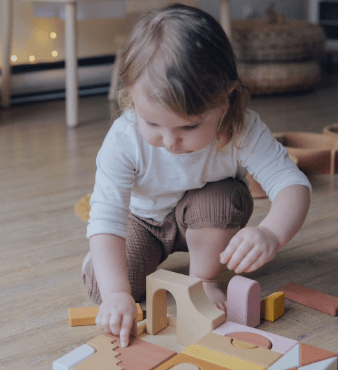
Ages 1-3: Play, Explore, Discover
At this stage, everything is new. Toddlers don’t need elaborate activities, they need space to explore safely and freely. Simple sensory play goes a long way. A container filled with rice, pasta, or water, paired with cups and spoons, can keep them engaged for surprisingly long stretches. Adding small details, like colored water or floating toys, makes the experience feel new each time.
Storytime can also become more interactive. Instead of just reading, use different voices, pause to ask questions, and let them point and respond. Repetition isn’t boring for them, it’s comforting. Movement is just as important. A quick dance session, a simple obstacle course, or even just running around the living room helps release energy and reset their mood. Messy play, like finger painting or sticking paper, adds another layer of exploration without needing structure.
Pretend play naturally fits into their day. A few household items can turn into a kitchen, a shop, or something completely unexpected. The goal isn’t direction, it’s following their imagination.
Ages 4-8: Create, Build, Experiment
This is the age of curiosity. Kids are ready to try, build, and create, and they enjoy having some independence while doing it. Hands on activities work best. Simple science experiments, like baking soda and vinegar or making slime, turn everyday moments into something exciting. Asking them what they think will happen before starting keeps them engaged in the process.
Creative setups also help. A small craft corner with paper, glue, and recycled materials can keep them busy for hours, especially when paired with open ended prompts rather than strict instructions. Fort building is another favorite. Using blankets, chairs, and pillows, they can create their own space and then actually use it, to read, snack, or play. Letting them lead makes it more meaningful.
The kitchen is also a great place to involve them. Simple recipes allow them to mix, measure, and participate while building confidence without even realizing it.

Ages 9-12: Think, Make, Lead
Older kids start to look for more ownership in what they do. They enjoy feeling capable and trusted. Creative expression becomes more personal at this stage. Journaling, storytelling, or even comic-style writing gives them a way to explore ideas without pressure. They also tend to enjoy projects that impact their environment. Redecorating their room, building something from scratch, or organizing their space allows them to take control in a meaningful way.
Theme days can add variety without overcomplicating things. Letting them choose a theme and build activities around it, whether it’s a country, a decade, or a concept, keeps them engaged and invested.Giving them responsibility also shifts their mindset. Cooking a meal, planning something for the family, or managing a small task builds confidence far more than simply helping out.
Ages 13+: Create, Grow, Take Ownership
Teens need space and respect for their independence. The best activities are the ones that align with their interests and give them a sense of purpose. Creative work can be especially powerful. Photography, video editing, writing, or designing something of their own turns screen time into something productive. Physical activity also helps, especially when it’s self directed. Setting a personal challenge or routine gives them structure without pressure.
They may also benefit from thinking about the future in a relaxed way. Vision boards or simple goal setting can help them reflect on what they want, without making it feel overwhelming. This is also the stage where passion projects can start to take shape. Whether it’s a small business idea, a creative project, or a topic they want to explore deeply, giving them the space to pursue it matters.
Making It Work at Home
A few simple shifts can make the entire day feel smoother.
Keeping a loose routine helps set expectations without feeling restrictive. Rotating activities prevents boredom, while allowing some unstructured time encourages creativity and independence.
Screen time doesn’t need to be eliminated, but it works best when it’s intentional rather than the default. And not every moment needs to be filled, quiet time and rest are just as important.
Most importantly, let go of the idea of doing everything perfectly. The value isn’t in perfectly executed activities, but in shared moments that feel real and enjoyable.
At the end of the day, what children remember most is the feeling of being present together. You don’t need much to create that, just time, attention, and a willingness to keep things simple.
For even more inspiration, head to the Create Together section on our home screen, available on both the Kidzapp website and app, where you’ll find a curated list of activities to try at home.

 Sep 25, 2026
 Posted by: Kidzapp Team