Download App


 Mar 18, 2026
 Posted by: Kidzapp Team
Raising Dreamers, Thinkers & Creators
What many parents underestimate is that play is not downtime. It is not the opposite of learning. Play is learning. In fact, it may be the most natural, effective, and joyful way children develop. Yet in a world increasingly filled with structured schedules, enrichment programs, and early academic expectations, play is slowly being squeezed out of childhood. And that is something worth pausing to reconsider.
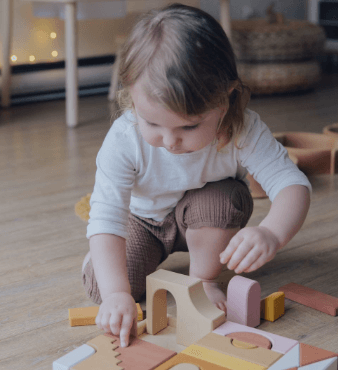
Play does not look the same every day. Sometimes it is loud and physical, filled with running, climbing, and bursts of laughter. Other times it is quiet and imaginative, with children building elaborate worlds out of blocks, cardboard boxes, or simple household objects. A child might spend the afternoon pretending to be a doctor, a chef, a superhero, or a parent caring for a baby doll. These moments of dramatic play are far more than simple entertainment. They are powerful exercises in empathy, communication, and storytelling.
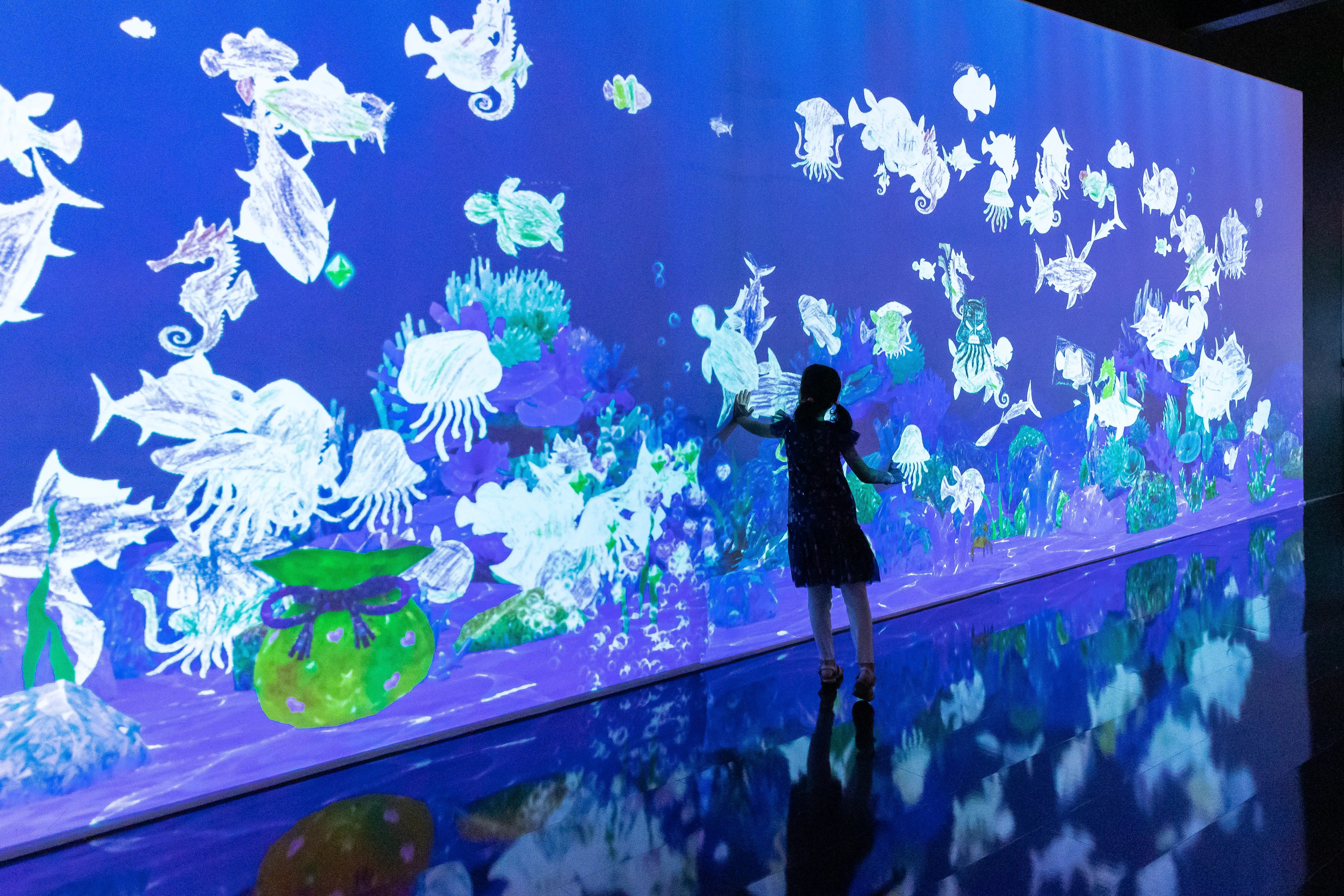
At other times, play becomes constructive. Towers are built and knocked down, forts appear in living rooms, and children experiment with balance, structure, and persistence. Even creative play, drawing, dancing, painting, inventing songs, gives children a space where expression matters more than outcome. There is no right answer, no perfect result. There is simply the joy of creating.
Play Is Where the Magic Happens
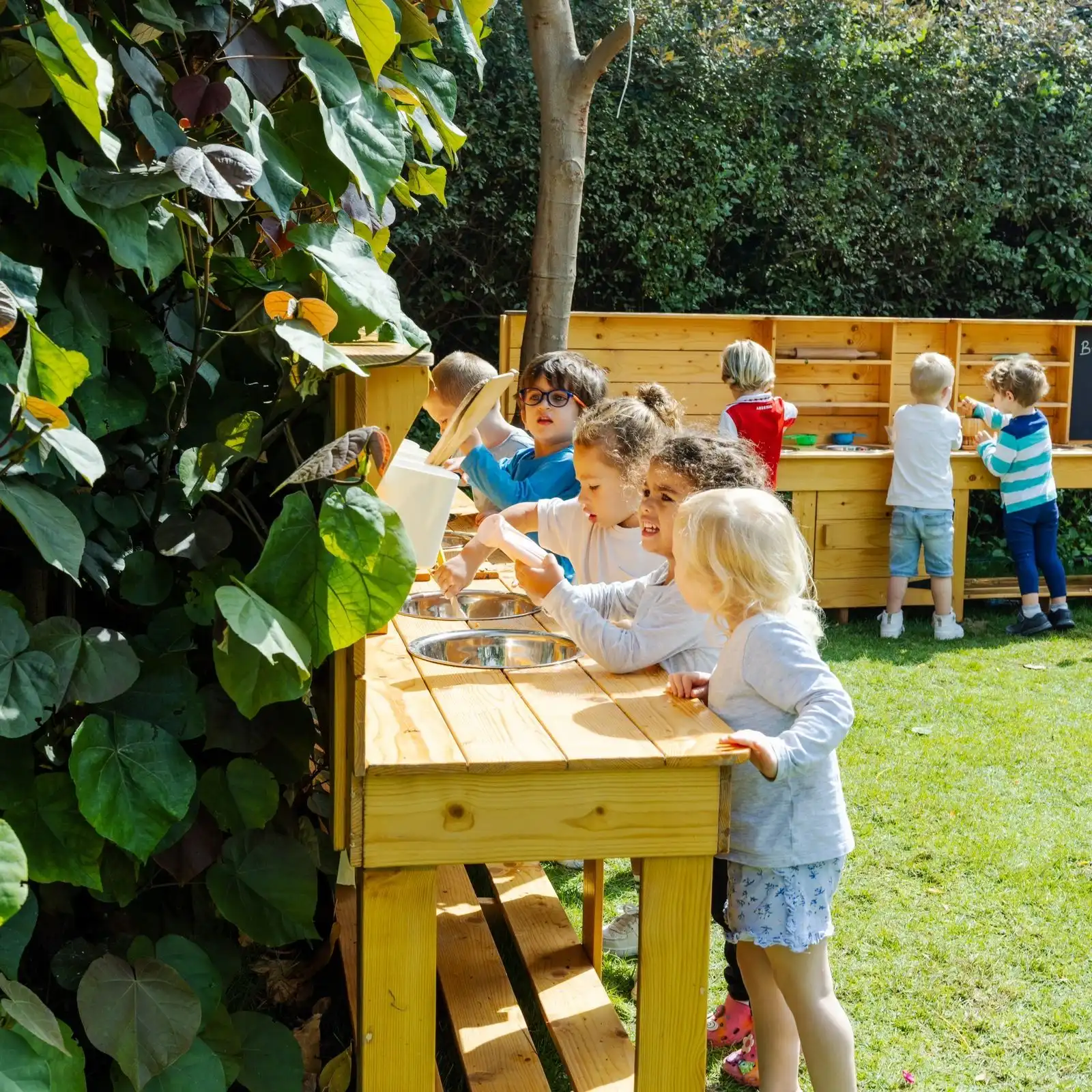
Physical play plays its own important role. Running, climbing, jumping, and rough and tumble games strengthen not only muscles and coordination, but also emotional regulation. Children learn their limits, test their courage, and develop a sense of confidence in their own bodies. When this physical play happens alongside others, it naturally evolves into social play, the push and pull of sharing, negotiating, taking turns, and sometimes disagreeing. Among all types of play, dramatic play deserves special attention. When children pretend to be someone else, a doctor treating a patient, a teacher instructing a classroom, a superhero saving the day, they are experimenting with perspective. They practice language, explore emotions, and imagine the experiences of others. In doing so, they are developing empathy and cognitive flexibility in ways that no worksheet or structured lesson could replicate.
In recent years, however, childhood has become increasingly structured. After school activities, organized sports, tutoring sessions, and carefully planned playdates often fill the spaces that were once left open. Structure certainly has value; it teaches discipline, cooperation, and goal-setting. But when every hour is planned, something essential disappears. Unstructured play, the kind where children invent their own games and make their own rules, is where creativity truly flourishes. When children decide what to do next without adult direction, they practice independence and self determination. They learn to tolerate boredom, solve problems without guidance, and discover what genuinely interests them.
Interestingly, studies in animal behavior show something similar. Young animals deprived of play during key developmental stages struggle later with social bonding and stress regulation. While children are far more complex, the message remains clear: play is not a luxury. It is a developmental necessity. Understanding brain development makes this even clearer. The right side of the brain develops strongly between the ages of three and four, while the left side becomes more dominant around the age of seven. The right brain is where imagination, empathy, curiosity, and creativity live. It thrives on exploration, storytelling, and open ended experiences. The left brain, which develops later, supports language, logic, planning, and structured thinking.
Building Confidence Through Creativity
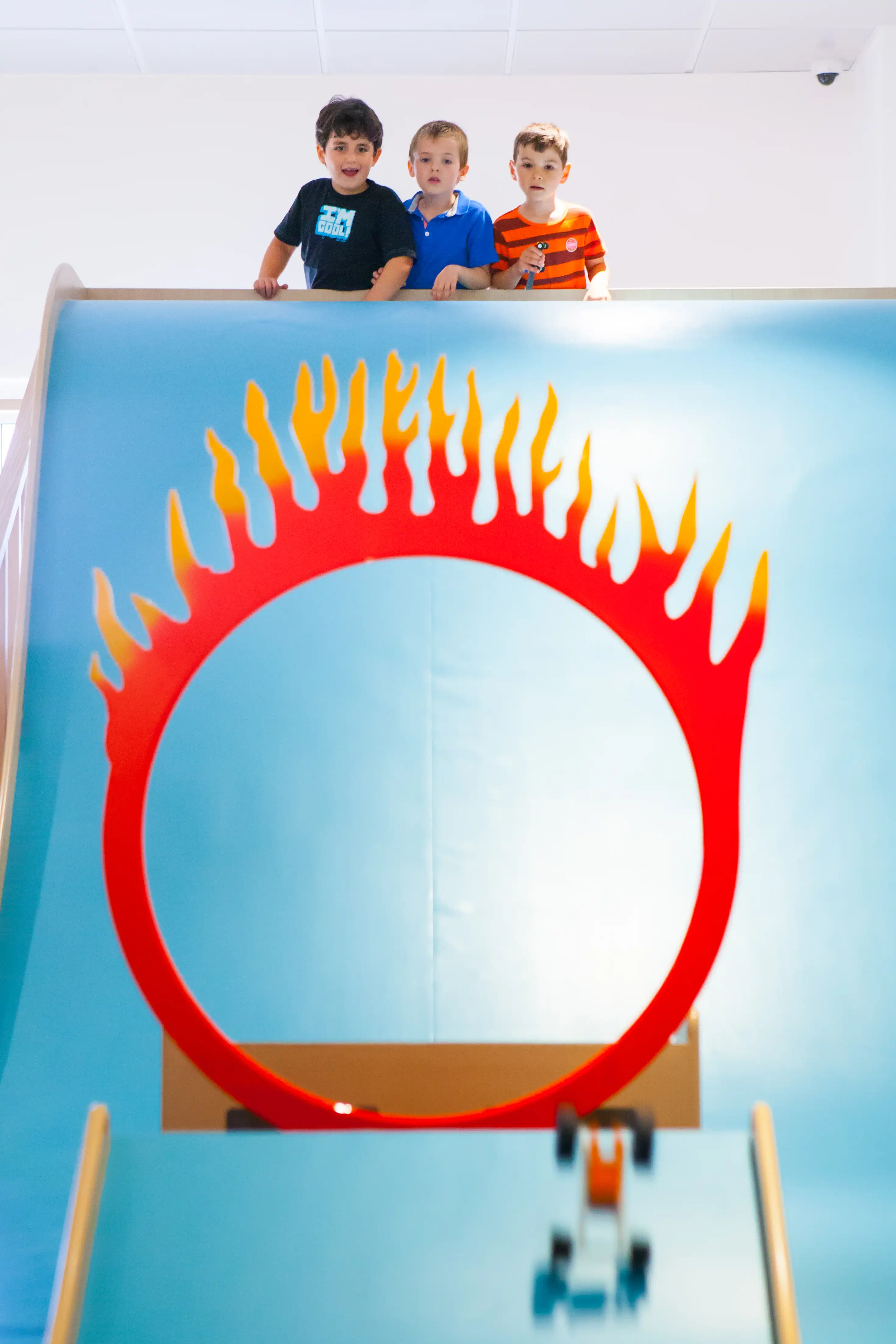
During the first seven years of life, a critical window of development, children benefit enormously from activities that nurture the right brain. Play provides exactly that environment. Through imaginative exploration, children learn to think symbolically, regulate emotions, and understand the perspectives of others.When academic expectations are pushed too early, children may be asked to perform skills their brains are not yet ready for. What adults perceive as failure can slowly convince a child that they are simply not capable. Over time, this can erode the natural curiosity and love of learning that every child begins with. When creativity and imagination are nurtured first, the logical tools of the left brain have a much stronger foundation to build upon later.
For parents, supporting play does not mean orchestrating elaborate activities or buying expensive toys. In fact, the most imaginative play often emerges from the simplest materials. A cardboard box can become a spaceship, a castle, or a secret hideout. A pile of blankets can transform into an entire imaginary world.Even boredom has a place here. When children are given space without immediate entertainment, they begin inventing their own solutions. That quiet moment of “What should I do now?” is often the beginning of their most creative ideas.
Sometimes the most valuable thing a parent can do is simply step back and protect the space for play to happen. Join your child on the floor from time to time. Laugh with them, follow their stories, and allow yourself to enter their imaginative world. But just as often, allow them to explore independently. Their ideas do not need to be corrected or improved. They simply need room to grow. The skills children build through play, creativity, communication, emotional intelligence, confidence, and problem solving form the foundation for everything that follows. School, friendships, and future challenges all build upon this base. Academic learning does not replace play. It grows out of it.
Let Them Dream Without Limits
So the next time you see your child deeply absorbed in a game they invented, lost in a story only they fully understand, or building something wonderfully imperfect, take a moment to watch. Beneath the laughter and imagination, something remarkable is happening.
Play may look simple, but it is one of the most powerful forces shaping a child’s development. It is not the opposite of learning. It is the most natural form of it.
And it goes a very, very long way.
 Jul 14, 2025
 Posted by: Kidzapp Team